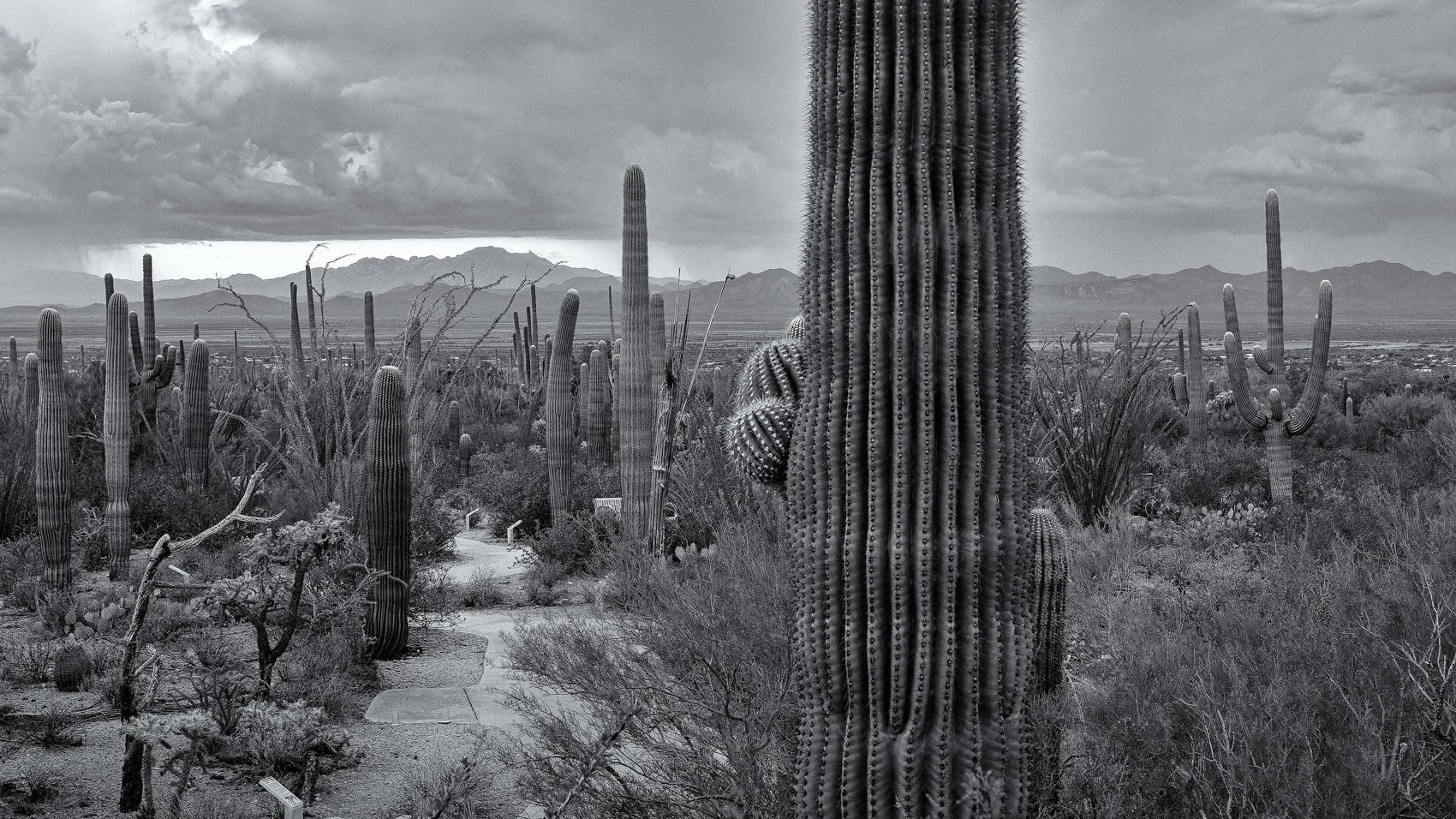
Cactus Project
Saguaro cactus are a staple of the Sonoran Desert in Arizona, the Mexican state of Sonora, and the Whipple Mountains and Imperial County areas of California.
They are special as they have a long lifespan, some of them have been around for more than 150 years. They grow their first arm between 75 to 100 years but some don't grow arms at all.
Saguaros have been a source of food and shelter for humans for thousands of years. Their sweet red fleshed fruits are turned into syrup by native peoples, such as the Tohono Oʼodham and Pima. Their ribs are used as building materials in the wood-poor deserts. The saguaro cactus is a common image in Mexican and Arizonan culture, and American Southwest films.
However their resilience to environment changes currently they are facing threats from climate change and human activity. This photo project is intended to show how Saguaros are being affected.
Saguaros are facing increasing threats from climate change and human activity and while not currently endangered their long time survival is creating concerns into their ability to thrive.
Here are some of the threats faced by Saguaros
1. Climate Change:
Extreme Temperatures: The saguaro is adapted to desert heat, but prolonged periods of extreme heat and cold, as well as changes in rainfall patterns, can stress and even kill these cacti.
Drought: Increased drought and heat can dry out the soil, making it difficult for young saguaros to establish and survive.
Heat Stress: Mature saguaros are also susceptible to heat stress, with some studies showing increased mortality rates in recent years, particularly in urban areas like Phoenix.
Fire: Invasive grasses like buffelgrass, which thrive in warmer, drier conditions, can fuel wildfires that can devastate saguaro populations.
3. Saguaro's Vulnerability:
Slow Growth: Saguaros grow very slowly, making it difficult for them to recover from damage or to replace dead individuals.
Specific Needs: They require specific conditions for germination and early growth, which are becoming less predictable due to climate change.
Limited Reproduction: The number of young saguaros surviving to adulthood has been declining in some areas, raising concerns about population replenishment.
2. Human Activity:
Habitat Loss: As human populations expand, saguaro habitat is lost to development, limiting their ability to reproduce and thrive.
Invasive Species: Non-native plants like buffelgrass compete with saguaros for resources and increase fire risk.
Vandalism and Theft: Saguaro cacti are also vulnerable to vandalism and illegal harvesting.
Conclusion
While the saguaro is not currently facing imminent extinction, its long-term survival is uncertain due to the combined effects of climate change and human activity. Continued monitoring, habitat protection, and efforts to mitigate climate change impacts are crucial to ensure the future of this iconic desert species.
Why?
As a photographer and person, I am impressed and humble by the majestic presence of the Saguaros and sadden by what is happening to them.
I want to capture them going through this part of their and show people, that even under the conditions Saguaros find themselves in, they are still demonstrating their hold to the land as well as reminding us of our duty to make the environment a better place not just for them but for us as well.